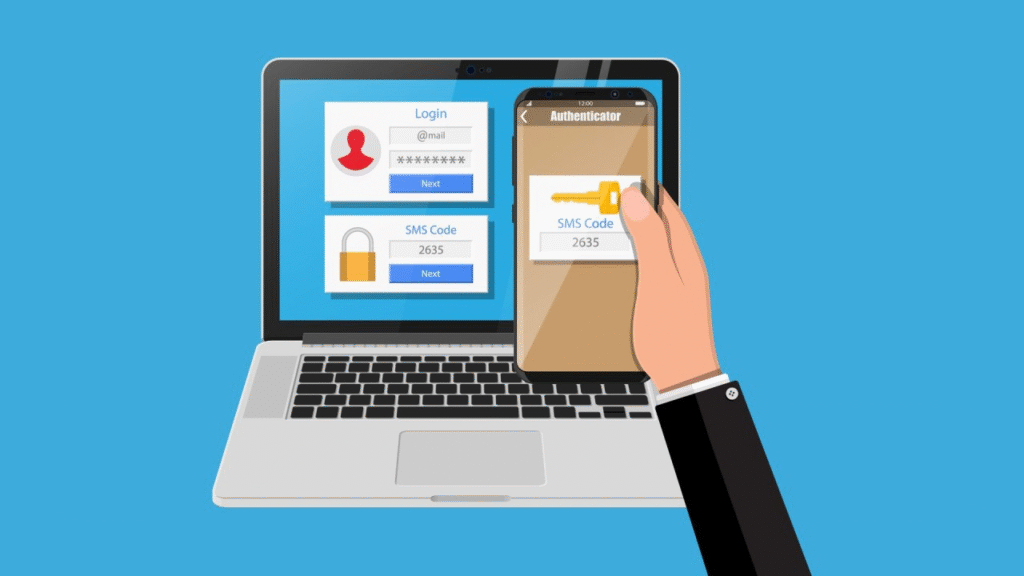
In today’s digital landscape, phone numbers are more than just a contact method—they are a gateway to user accounts, transactional notifications, and sensitive communications. However, fake, disposable, or invalid phone numbers pose a serious risk to businesses, leading to fraud, spam, and unauthorized access. Implementing phone number verification is essential for businesses seeking to secure accounts, protect revenue, and ensure reliable communication.
This article explores how phone number verification prevents fraud, secures accounts, and enhances overall operational efficiency.
The Risks of Unverified Phone Numbers
Allowing unverified phone numbers into your system can create multiple issues, including:
- Fraudulent account creation: Fake numbers are often used to abuse trials, promotions, or free services.
- Disposable or temporary numbers: These numbers can bypass verification processes, skew analytics, and reduce lead quality.
- Missed communications: Invalid numbers prevent OTPs, alerts, and notifications from reaching real users.
- Security breaches: Fake numbers increase the risk of unauthorized access and account compromise.
These challenges impact revenue, operational efficiency, and customer trust.
How Phone Number Verification Prevents Fraud
1. Real-Time Validation
Phone number verification checks the authenticity of numbers at the point of entry, during signup, registration, or subscription. Fake, disposable, or mistyped numbers are flagged instantly, preventing them from entering your system.
2. Carrier and Line Type Identification
Advanced verification tools identify whether a number is mobile, landline, or VoIP. Disposable and high-risk VoIP numbers can be blocked to maintain database integrity.
3. Risk Assessment
Some verification solutions evaluate the risk associated with a number, detecting temporary, suspicious, or fraudulent numbers that may be used for abuse or spam.
4. OTP and Two-Factor Authentication Integration
Verified phone numbers can be used to implement one-time passwords (OTPs) or multi-factor authentication (MFA), adding an additional layer of account security.
Benefits of Phone Number Verification for Account Security
1. Reduce Fraud and Abuse
By blocking fake and disposable numbers, businesses protect free trials, subscription offers, and promotions from exploitation.
2. Enhance Customer Trust
Verified phone numbers ensure that critical communications, such as alerts, OTPs, and service updates, reach legitimate users, building credibility and trust.
3. Maintain CRM Accuracy
Accurate phone numbers improve CRM database quality, enabling targeted campaigns, efficient communication, and reliable analytics.
4. Optimize Operational Costs
Verification reduces wasted resources, such as SMS charges, failed call attempts, and support staff time spent resolving issues caused by invalid numbers.
5. Strengthen Security Protocols
Phone verification supports secure onboarding and login processes, reducing the risk of unauthorized access and account takeovers.
Real-Time vs. Batch Phone Number Verification
Real-Time Verification
- Validates numbers instantly during registration or checkout
- Blocks fake, disposable, or inactive numbers from entering the system
- Ensures secure onboarding and accurate communication
Batch Verification
- Cleans existing databases in bulk
- Identifies inactive, invalid, or high-risk numbers
- Optimizes marketing campaigns, customer communications, and security workflows
Combining both methods ensures ongoing data accuracy, protects accounts, and reduces fraud.
Best Practices for Fraud Prevention Using Phone Verification
- Integrate Real-Time Verification: Validate phone numbers during signup, trial registration, or purchase to prevent fake accounts.
- Regularly Clean Your Database: Batch verification ensures that legacy or inactive numbers do not compromise security.
- Block Disposable Numbers: Prevent temporary or high-risk numbers from accessing services or promotions.
- Combine with Multi-Factor Authentication: Use verified numbers for OTPs or MFA to enhance account security.
- Monitor Risk Metrics: Track suspicious activity associated with unverified or high-risk numbers to mitigate potential fraud.
These strategies protect business operations, enhance account security, and maintain the integrity of your user base.
Industries That Benefit Most from Phone Number Verification
- SaaS & Software Platforms: Protect trial accounts and subscription services from fraud.
- E-Commerce: Safeguard promotions, discounts, and loyalty programs.
- Finance & Banking: Verify numbers for secure transactions and sensitive account access.
- Healthcare: Protect patient communications and appointment notifications.
- Travel & Hospitality: Ensure accurate booking confirmations and alerts reach legitimate users.
Across industries, phone number verification enhances security, maintains accurate communication, and reduces fraud risk.
Conclusion
Phone number verification is a critical tool for businesses aiming to prevent fraud, secure accounts, and maintain reliable communication. By validating numbers, identifying disposable or high-risk entries, and maintaining accurate databases, organizations can:
- Protect against fraudulent signups and trial abuse
- Ensure OTPs, alerts, and notifications reach legitimate users
- Maintain accurate CRM and analytics data
- Reduce operational costs and optimize resources
- Strengthen account security and build customer trust
For any organization relying on phone numbers for communication or account management, phone number verification is not just a technical necessity—it is a strategic investment that safeguards operations, improves efficiency, and promotes long-term growth.